450ml Portable Ultrasonic Cleaner for Jewelry & Glasses
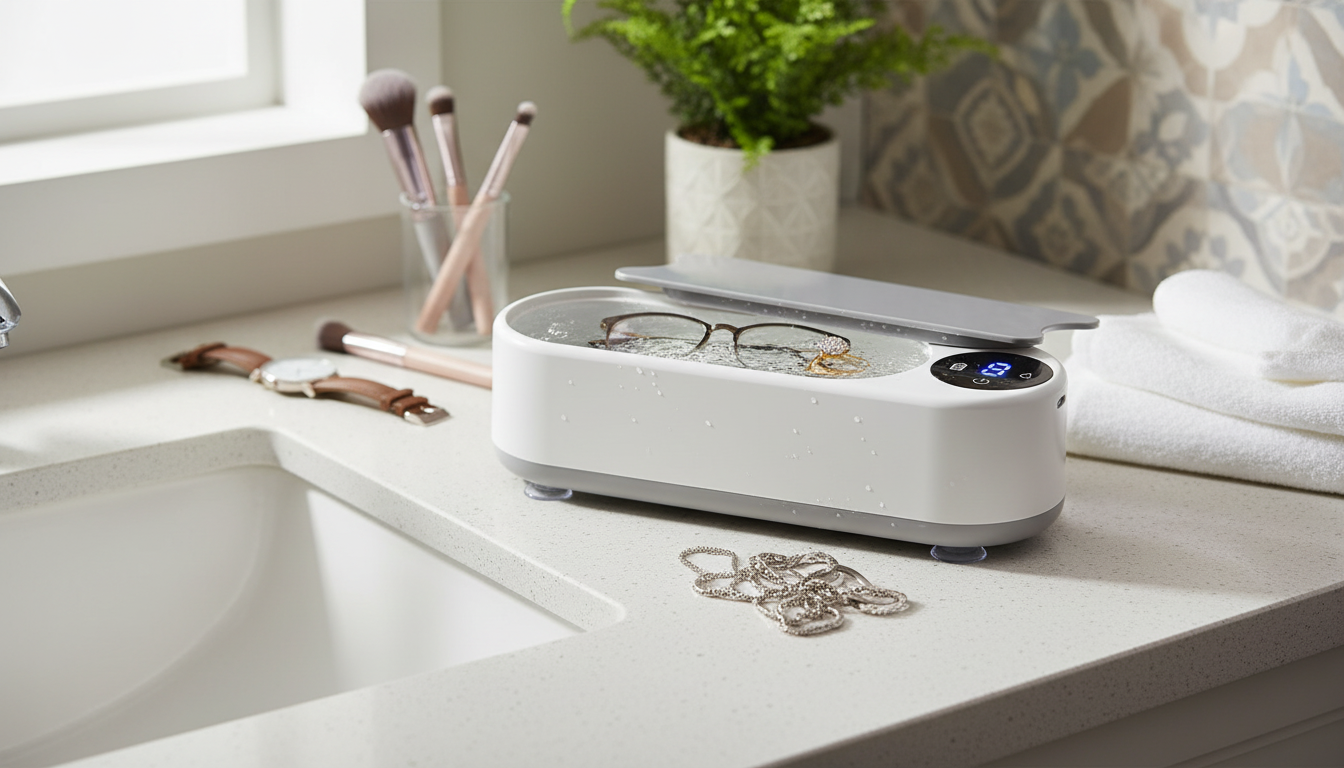
Portable Ultrasonic Cleaner for Jewelry, Glasses, and Makeup Brushes (450ml)
A compact ultrasonic cleaner can lift grime from tiny crevices that are hard to reach with wiping or brushing. With a 450ml tank, this portable unit is sized for everyday essentials like rings, eyeglasses, and makeup brush heads—helping restore clarity, shine, and freshness with minimal effort.
What an Ultrasonic Cleaner Does (and Why It Works)
Ultrasonic cleaners use high-frequency vibration in water to loosen dirt, oil, and residue from small gaps, joints, and textured surfaces. Instead of relying on pressure from a cloth or brush, the cleaning action reaches into areas like chain links, hinge corners, and settings where buildup tends to hide.
- Uses high-frequency vibration in water to loosen dirt and residue from small gaps, joints, and textured surfaces.
- Helps reduce manual scrubbing, which can be rough on coatings, settings, and delicate finishes when done aggressively.
- Best results come from pairing the vibration with the right liquid (typically water plus a small amount of mild soap, depending on the item).
For jewelry-specific care considerations, it can help to compare your routine with guidance from an authority like the Gemological Institute of America (GIA), especially if you’re cleaning pieces with stones, plating, or delicate settings.
What Fits in a 450ml Portable Tank
A 450ml capacity is ideal for small, frequently used items—perfect for quick refreshes rather than bulky objects. It’s a practical size for a bathroom counter or vanity, and it encourages consistent maintenance cleaning (which is usually easier on items than waiting for heavy buildup).
- The 450ml capacity suits small, frequently used items—ideal for quick refreshes rather than bulky objects.
- Common fits: rings, earrings, chains (laid flat), eyeglasses frames, razor heads, small metal accessories, and makeup brush heads (when appropriate for the brush type).
- For longer chains or larger frames, positioning matters; avoid forcing items into the tank if it causes bending or strain.
Recommended Items and Cleaning Notes
Because ultrasonic cleaning is strong at reaching tight spaces, it’s especially helpful for items that collect oils and residue in corners—like hinge points, prong areas, and bristle bases.
- Jewelry: Great for removing everyday oils and buildup from metal surfaces and around settings; inspect stones and prongs before cleaning.
- Glasses: Useful for nose pads and hinge areas where residue accumulates; always confirm lens coating guidance from the eyewear maker.
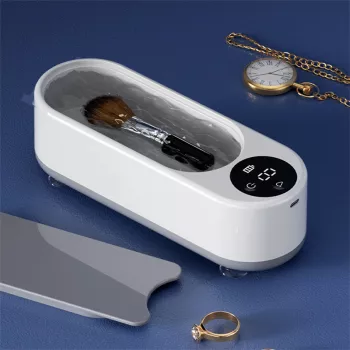
- Makeup brushes: Can help release trapped product from bristles; keep ferrules and handles in mind (some adhesives or wood finishes can be water-sensitive).
Quick Guide: What to Clean and How
| Item | Typical soil | Suggested liquid | Helpful tips |
|---|---|---|---|
| Rings/metal jewelry | Skin oils, lotion, soap residue | Water + a drop of mild dish soap | Check for loose stones; rinse and dry thoroughly |
| Eyeglasses frames | Skin oils, makeup, dust | Water (or very mild soap mix) | Remove detachable parts if recommended; dry hinges and screws well |
| Makeup brush heads | Foundation/powder buildup | Water + gentle cleanser | Avoid soaking wood handles; reshape bristles and air-dry |
| Razor heads/small metal parts | Soap scum, hair debris | Warm water + mild soap | Rinse and fully dry to reduce corrosion risk |
How to Use a Portable Ultrasonic Cleaner (Simple Routine)
A short, repeatable routine tends to work best—especially when cleaning items with coatings, adhesives, or intricate construction.
- Fill the tank: Add enough water to cover the items without exceeding the fill line; use mild soap only when suitable for the item.
- Load carefully: Place items so they don’t overlap heavily; avoid pressing items against the tank walls if possible.
- Run a short cycle: Start with a brief clean, then check progress; repeat if needed rather than running one long session on sensitive items.
- Rinse and dry: Rinse items with clean water (when appropriate), then dry with a soft, lint-free cloth; ensure hinges, joints, and crevices are dry.
For eyewear care basics—especially around lenses and coatings—it’s worth referencing organizations like the American Optometric Association for general guidance, then deferring to your eyewear manufacturer’s specific instructions.
Material Safety: When to Avoid Ultrasonic Cleaning
Ultrasonic cleaning is powerful, which is great for grime—but it also means some items require caution. When in doubt, a shorter cycle and gentler liquid is safer than a long, aggressive session.
Getting Better Results: Small Adjustments That Matter
Care and Maintenance for the Cleaner
Product Snapshot: Portable Ultrasonic Cleaner (450ml)
Available here: Portable Ultrasonic Cleaner for Jewelry, Glasses, Makeup Brushes – 450ml Capacity.
More In-Stock Picks
- AI as Your Book-Writing Partner | Ultimate Guide to Using AI to Write a Book | Step-by-Step eBook for Authors, Bloggers & Creatives
- Hobby Compass: Using AI to Discover Passions That Fit You – A Step-by-Step Guide to How to Use AI to Suggest Hobbies Based on Personality, Interests & Strengths | Digital Download eBook for Self-Discovery
FAQ
Is ultrasonic cleaning safe for eyeglasses and lens coatings?
It’s often safe for many frames and parts, but lens coatings vary. Follow the eyewear maker’s care instructions and start with a short cycle using plain water or a very mild soap mix.
Can makeup brushes go in an ultrasonic cleaner?
Many brush heads can be cleaned, but avoid soaking wood handles or areas where glue may weaken. Use short cycles with a gentle cleanser, then reshape bristles and let them air-dry completely.
Do cleaning solutions matter, or is plain water enough?
Plain water can remove loose debris, while a small amount of mild soap helps break down oils and residue. Avoid harsh chemicals, and rinse and dry items well after cleaning when appropriate.





Leave a comment