AI Sleep Smarts Checklist: 7-Day Digital Sleep Reset
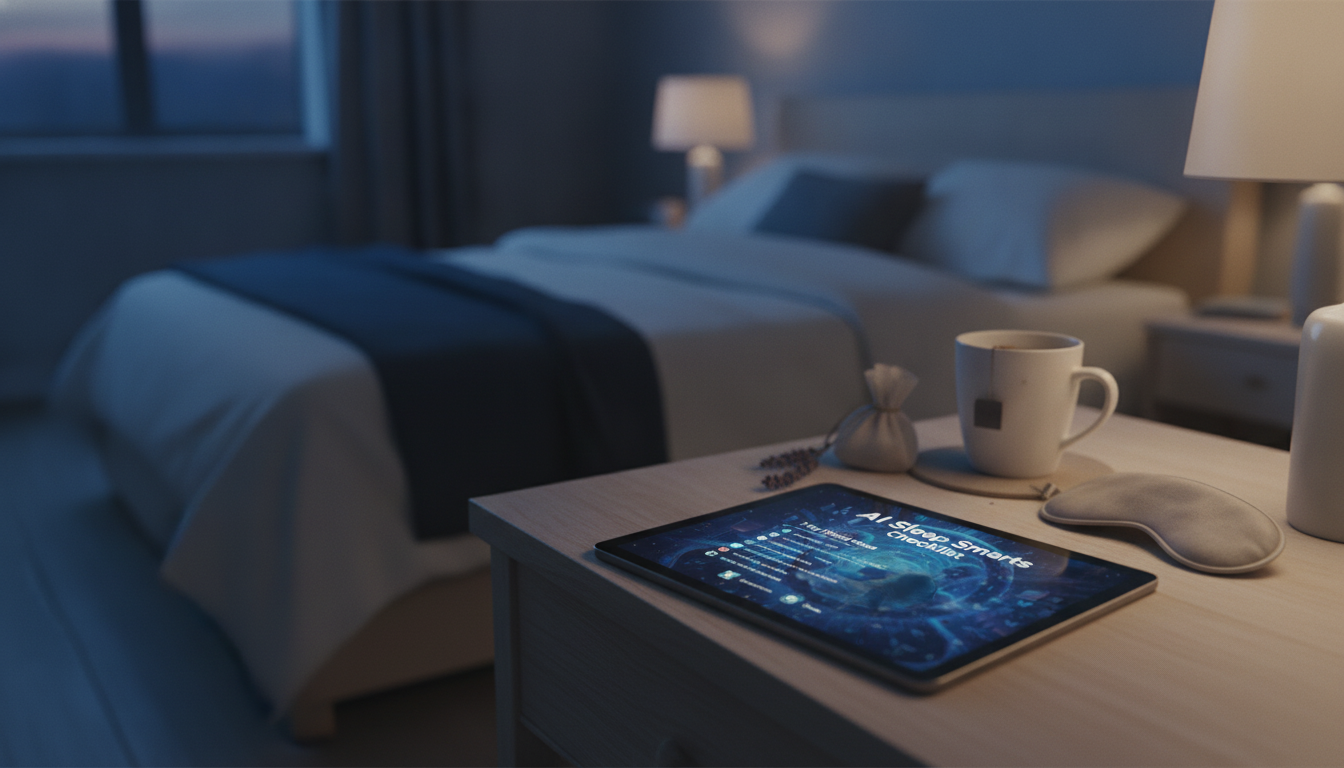
AI Sleep Smarts Checklist: A Practical Digital Guide for Better Rest
Better sleep rarely comes from one big change. It comes from a handful of small, repeatable adjustments—light, timing, routines, and the way devices are used. An AI-assisted checklist makes it easier to spot patterns, run quick experiments, and turn sleep advice into daily actions that actually stick.
What “AI sleep smarts” means in real life
“AI sleep smarts” is a practical way to use patterns—your sleep logs, wearable trends (if you use one), and daily habits—to suggest small adjustments with the highest likelihood of payoff.
- Uses patterns from sleep logs, wearable trends, and daily habits to suggest small adjustments
- Focuses on consistency: sleep timing, wind-down cues, and morning light exposure
- Helps prioritize changes by impact and effort, rather than trying everything at once
- Works best as a coach for habit-building, not a substitute for medical care
Think of it like a “decision reducer.” Instead of guessing, you’re testing one lever at a time and keeping what measurably helps.
Set a simple baseline (3 days) before changing anything
Before optimizing, capture what’s happening now. Three days is enough to reveal obvious friction points—late caffeine, irregular wake times, scrolling in bed, or a room that’s too warm.
- Track bedtime, wake time, time to fall asleep, night awakenings, and how rested the morning feels
- Note caffeine timing, alcohol, late meals, and exercise timing (not just whether it happened)
- Record evening screen time and whether blue-light reduction features were used
- Capture bedroom factors: temperature, light leaks, noise, and bedding comfort
- Choose one “success metric” to watch for the next week (example: fewer awakenings or faster sleep onset)
Baseline Tracking Checklist (copy/paste into notes)
| Item | What to record | Why it matters |
|---|---|---|
| Sleep schedule | Bedtime, lights-out time, wake time | Irregular timing can weaken circadian signals |
| Sleep onset | Minutes to fall asleep | Highlights stress, screens, or timing issues |
| Awakenings | Count + rough cause (noise, bathroom, stress) | Targets the biggest disruptor first |
| Caffeine | Last caffeine time + amount | Late caffeine can reduce total sleep and depth |
| Light exposure | Morning outdoor light + evening bright light | Light is a primary circadian cue |
| Screens | Last screen time + content type | Affects arousal and delays wind-down |
Digital sleep optimization: device settings that remove friction
Most “sleep hacks” fail because they add effort right when willpower is lowest. The goal is to set your phone, watch, and environment so the easiest option is the sleep-friendly option.
- Set a consistent sleep schedule alarm and a separate “start wind-down” reminder 60–90 minutes earlier
- Enable night mode / reduced blue light in the evening and reduce overall brightness after sunset
- Use Focus/Do Not Disturb to silence non-urgent notifications during the sleep window
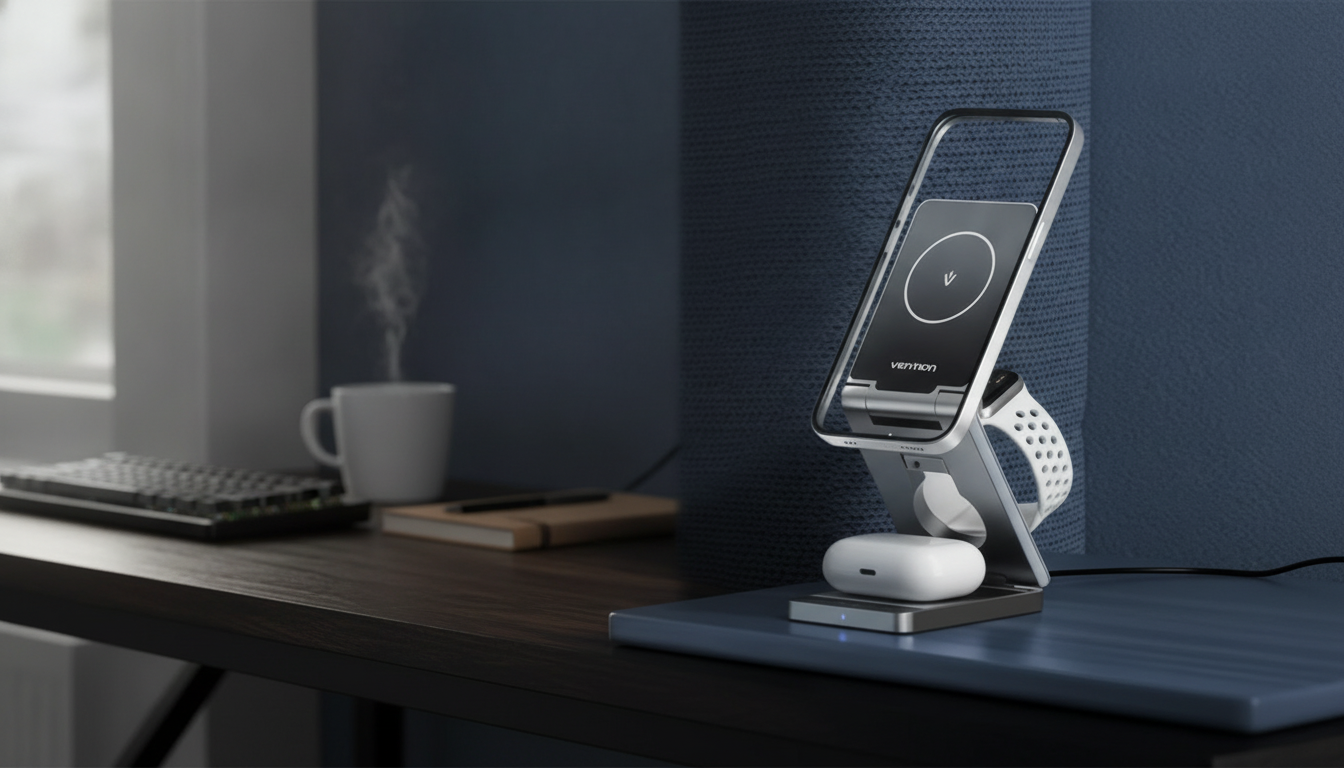
- Create a bedside “charging station” away from the pillow to reduce late scrolling
- For wearables: ensure snug fit, consistent wear time, and a stable charging routine to avoid missing data
- Automate the environment when possible (smart lights dim, thermostat cools slightly, white noise starts)
If sleep feels inconsistent, start with consistency-friendly defaults: one wake time, one wind-down reminder, and one rule for screens (even if it’s only “no stimulating content after the wind-down alarm”).
AI-guided experiments: one change per week
When multiple variables change at once, it’s hard to know what worked. A weekly experiment keeps things clear: pick one lever, run it for seven nights, and compare results to your baseline.
- Choose one lever: light, timing, caffeine, exercise timing, wind-down, or bedroom environment
- Run it for 7 nights; keep the rest of the routine the same to avoid confusing results
- Rate each morning: sleep quality (1–10), daytime sleepiness (1–10), and mood (1–10)
- If results improve, keep the change; if not, revert and test the next lever
- Look for the smallest effective dose (example: 10 minutes of morning outdoor light vs. 45 minutes)
- Use AI suggestions to generate alternatives, then select the one that fits schedule and preferences
Quick weekly experiment menu
Common “high-yield” experiments include morning outdoor light, moving caffeine earlier, a repeatable 10-minute wind-down cue, cooling the bedroom slightly, and setting a firm boundary on stimulating evening content.
Personalized sleep recommendations to ask an AI assistant for
The fastest way to get useful suggestions is to provide a short summary of your baseline and ask for ranked options. Keep it concrete: timing, amounts, and what “better” means to you.
For general sleep guidance and fundamentals, reputable references include SleepFoundation.org and the National Institute of Neurological Disorders and Stroke.
Troubleshooting common sleep patterns
If insomnia symptoms persist, the NHS insomnia overview is a helpful, plain-language reference for when to seek additional support.
When to take sleep concerns beyond checklists
Downloadable checklist for repeatable sleep wins
- AI Sleep Smarts Checklist (digital download) for baseline tracking, weekly experiments, and quick troubleshooting prompts
- AI as Your Book-Writing Partner for building a consistent writing routine (useful if journaling is part of your wind-down)
- Hobby Compass: Using AI to Discover Passions That Fit You for identifying relaxing, sustainable off-screen activities that make evenings feel less “wired”
FAQ
Can AI actually improve sleep without a wearable?
Yes. Habit and environment data—bedtime, caffeine timing, screens, light exposure, awakenings, and morning energy—can still reveal patterns; wearables add detail but aren’t required to run useful experiments.
How long should a sleep experiment run before deciding it worked?
Aim for 7 nights for a first pass. Compare results to your baseline and look for consistent improvements in sleep onset, awakenings, and morning restfulness.
What’s the fastest change that helps most people sleep better?
Stabilizing wake time and getting morning outdoor light often helps quickly. Reducing late caffeine and late-night stimulation are also common high-impact moves.



Leave a comment